BOP recertification: the API and BSEE intervals that govern a stack
A blowout preventer is the one piece of equipment where sourced to order and fully documented are the same requirement. Its parts live under a stack of API standards and, in US waters, federal testing law - and mixing them up is how a recertification slips. Here is the map: which standard governs which part, and the intervals that actually apply.
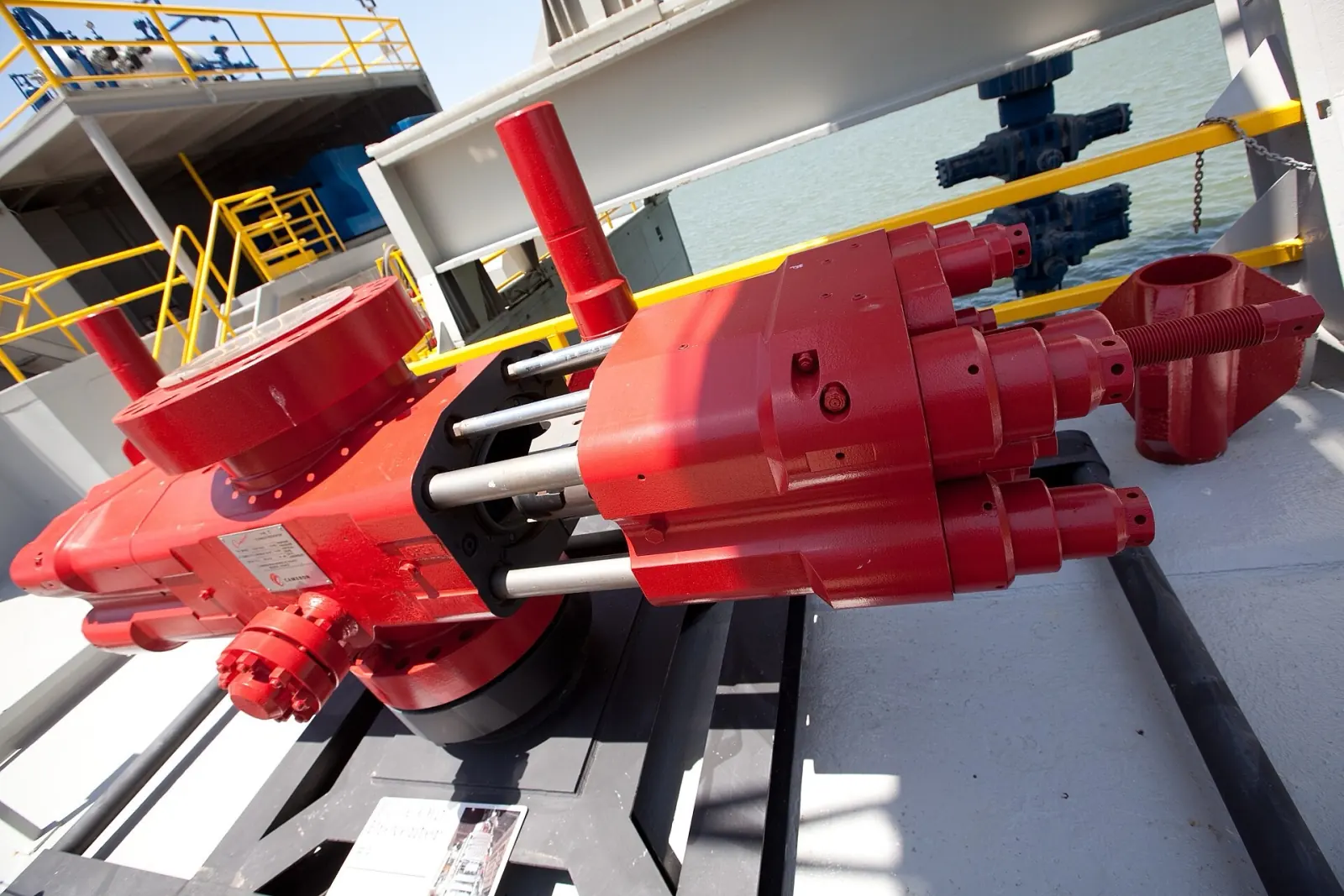
Which standard covers which part
- API 16A - drill-through equipment: the BOP components the drill string passes through, ram and annular preventers, connectors and hubs. This is the build standard for the stack itself.
- API 16C - choke and kill systems: the manifolds, high-pressure lines and flexible or rigid piping off the BOP side outlets.
- API 6A - wellhead and tree equipment: surface pressure-containing kit, wellheads, casing and tubing heads, gate valves.
- API 53 - well control equipment systems: not a build spec but the operating standard - how the assembled system is installed, tested, inspected and maintained.
Order a part to API without naming which one and you invite the wrong scope. A gate valve to 6A and a ram to 16A are different regimes of testing and documentation, and the recertification only holds if the paperwork matches the part.
The intervals that apply in US waters
- Pressure testing: the BOP is pressure-tested at least once every 14 days under BSEE's rules in 30 CFR 250, low- and high-pressure per component with the test held.
- Major inspection: a complete inspection to API 53 at five-yearly intervals, which can be phased across the interval rather than done all at once.
- These are the governing numbers offshore US. Other jurisdictions and classification regimes set their own, but the 14-day test and the five-year strip-down are the reference points most programmes are built around.
The 15-year figure, kept honest
You will hear that a BOP has a 15-year service life. Treat that as maker recertification guidance, not regulation - neither API 53 nor the BSEE rules set a 15-year statutory phase-out. What the rules actually mandate is the 14-day test and the five-year major inspection. When an interval matters for a decision, cite the instrument that sets it rather than a number in circulation, because the two are not the same thing.
Elastomers and sour service
The parts that most often drive a recertification are the soft ones. Ram packers, annular elements and seal kits are elastomers with a shelf life and a service life, and they degrade whether or not the stack has been used. Where the well is sour, materials have to meet NACE MR0175 / ISO 15156 for H2S service - metallic parts and elastomers both - and that requirement follows the part through its documentation. An elastomer that is fine for sweet service is not a substitute where the standard calls for sour-rated material.
What a recertifiable part carries
- Full material traceability - heat and batch numbers matching the certificates, to the EN 10204 or API grade the scope requires.
- Pressure-test and dimensional records tied to the specific part, not the product line.
- Sour-service compliance stated where it applies, not assumed.
- A shelf-life date on elastomers, and storage that has actually kept them within it.
How this works with us
The platform category is sourced to order for a reason - these parts are bought against a specification and a documentation scope, not off a shelf. Tell us the standard the part falls under and the recertification scope it has to satisfy, and it comes with the traceability and test records that let it back into service, sour-rated where the well demands it. What you approve is a part that will pass its recertification, with the paperwork already in hand.
Got a parts list to price?
Send it over - a binding offer within 24 hours. No obligations, the quote is free.
Send enquiry