How to identify a marine engine spare part before you order it
Most wrong deliveries are not sourcing failures, they are identification failures - the right part number for the wrong engine variant, a drawing number read as a part number, a serial that belongs to the pump and not the engine. Get the identity right up front and the rest is logistics. Here is how the numbers on the machine actually work.
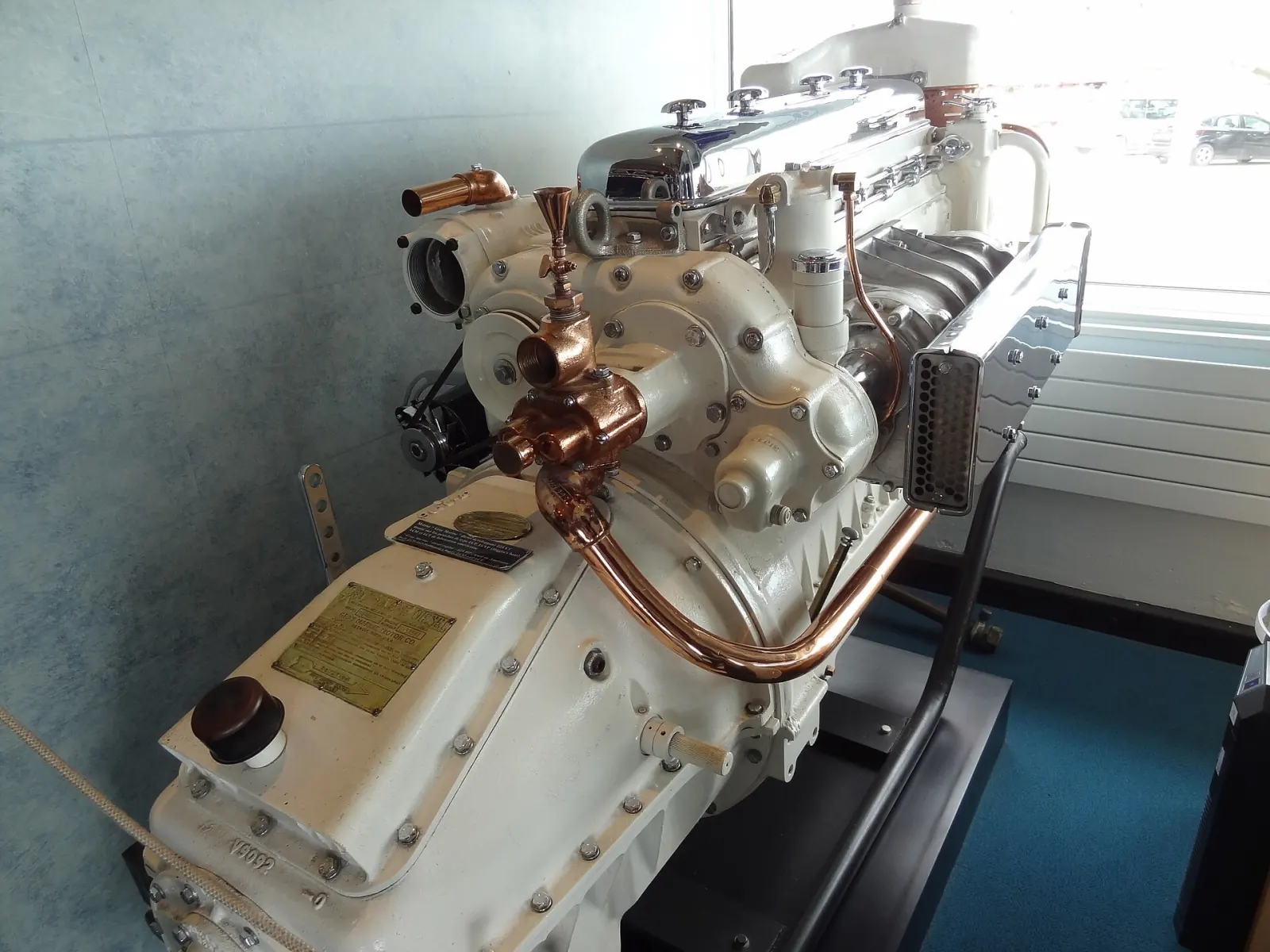
The four numbers people confuse
- Serial number - identifies the specific engine or unit, from the nameplate. It pins down the exact build and its parts list, but it is not itself a part number.
- Part number - the maker's number for the component you want, from the spare parts manual or catalogue.
- Drawing number - identifies the drawing a part appears on, often stamped on the item. It can list several parts; on its own it is not enough to order.
- Position number - the balloon number of the part on a sectional drawing. Only meaningful together with the drawing or the manual it comes from.
Order by a drawing or position number alone and the supplier has to guess which part on the sheet you mean. The clean combination is maker plus engine type plus the part number, with the serial to confirm the variant.
Start at the nameplate
The engine nameplate carries the maker, the type designation and the serial - photograph it whole and legible before anything else. The type designation is what turns a generic MAN B&W into a specific parts list: bore, stroke and mark all change which components fit. Auxiliary engines, pumps, purifiers and the turbocharger each carry their own plate, so name which unit a number belongs to. A serial that came off the turbocharger will not find an engine part.
From nameplate to part number
- Use the type and serial to pull the right spare parts manual - makers revise parts lists by build, so the manual has to match the serial, not just the type.
- Find the part on the sectional drawing, read its position number, then take the part number from the parts list keyed to that position.
- Note the quantity per engine and per set - rings and bearings come in sets sized to the number of cylinders.
When you don't have the manual
Plenty of older engines are aboard without a complete parts book. A clear photo of the worn part next to a ruler, the casting or forging marks on it, and the engine nameplate are usually enough for a technical desk to identify it - dimensions and the maker's own casting numbers narrow it down fast. What does not work is a verbal description alone: the bearing from the number three unit has too many candidates.
The details that prevent a wrong variant
- Oversize and undersize: bearings and liners come in machining stages. State the current size or the stage you need.
- Left and right, inlet and exhaust, forward and aft - handed parts look identical in a catalogue photo.
- Any modification bulletin the engine has had - a service letter can supersede the original part with a different number.
How this works with us
Send the nameplate photo and whatever numbers you have, complete or not. Our technical desk works back from the type and serial to the correct part number, and where there is any doubt about the variant we confirm it against the drawing before quoting - so what you approve is the part that actually fits, not the one that matched on paper. From there it drops straight into the engine and propulsion catalogue and the quote.
Got a parts list to price?
Send it over - a binding offer within 24 hours. No obligations, the quote is free.
Send enquiry