Short guides from our sourcing desk - no marketing, just practice.
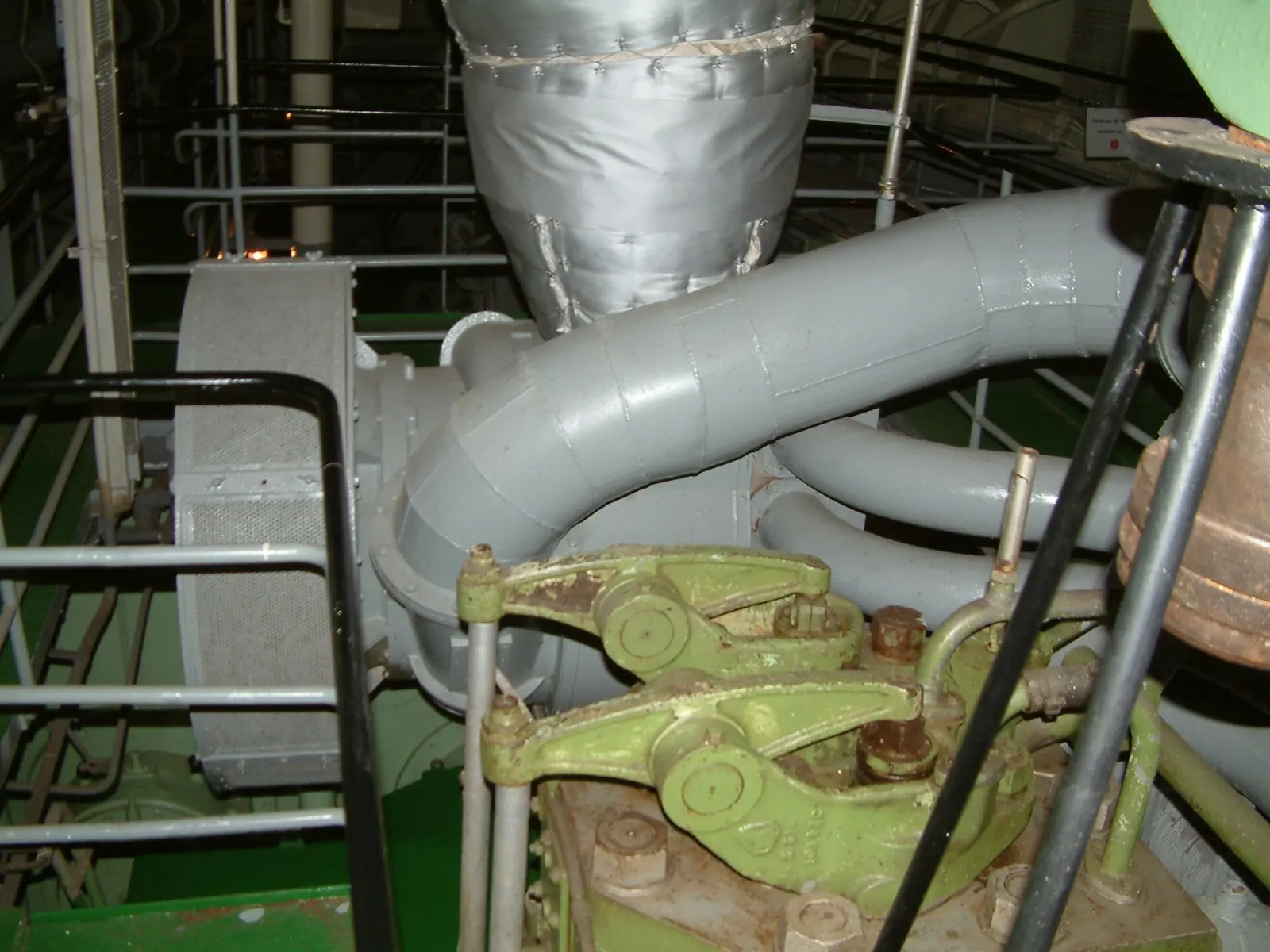
Running hours, not the calendar - when to strip the turbo, what actually wears inside it and which parts are worth having aboard.
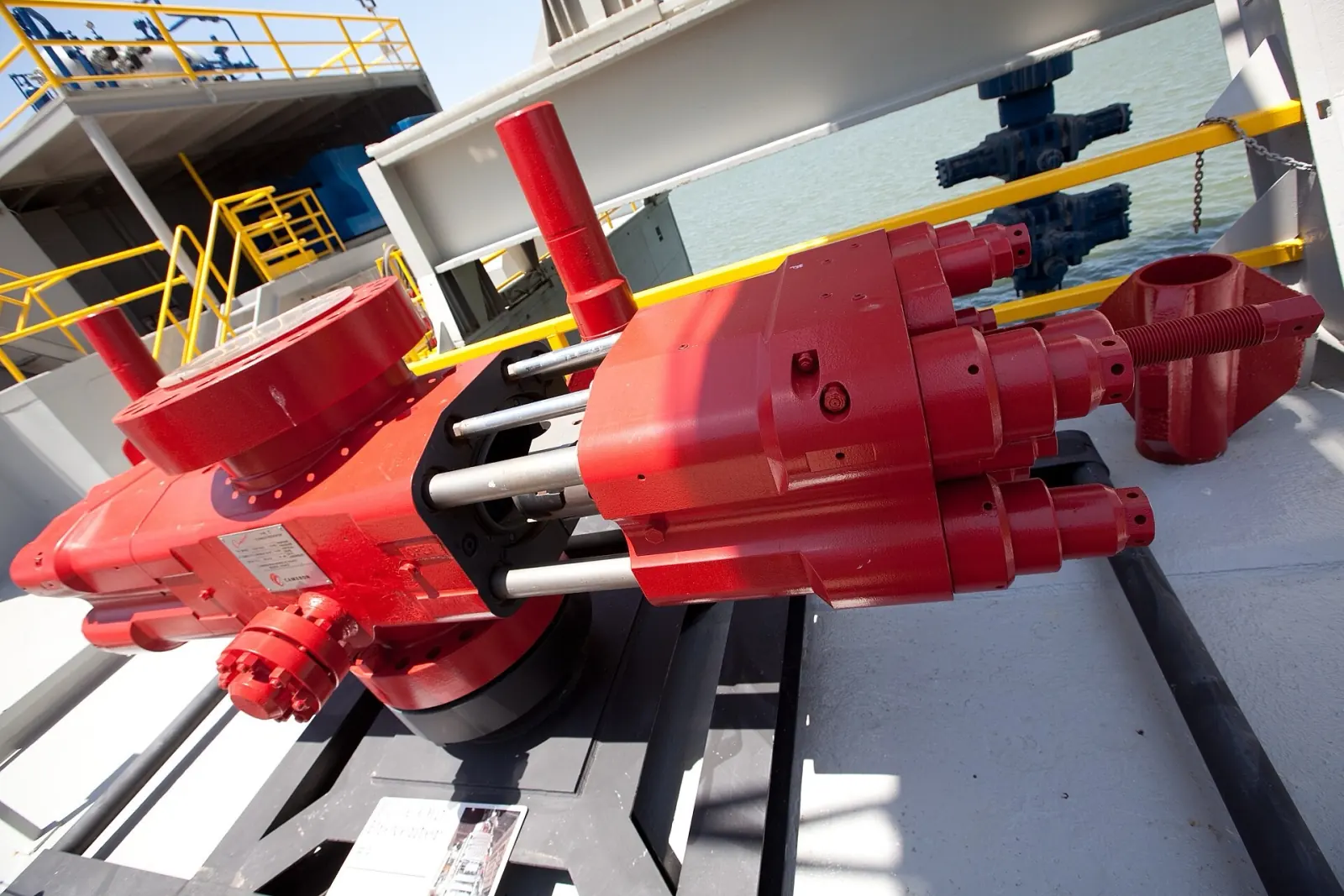
API 16A, API 53 and the BSEE testing rules - what recertifies a blowout preventer, how often, and which standard covers which part.
MEG4 replaced the looks-worn call with design break loads and a residual-strength target. What the numbers mean for replacement.
Type approval ties a ballast water system to its exact configuration - here's what that means for spares, and what to keep on board.
Wear limits, bore measurement, scuffing and blow-by - how to read the condition of the running surface before a costly failure.
Nameplate, drawing number, part number and serial - which one the supplier actually needs, and how to read them.
2.1, 2.2, 3.1, 3.2 - what each certificate proves, who signs it, and where class draws the line.
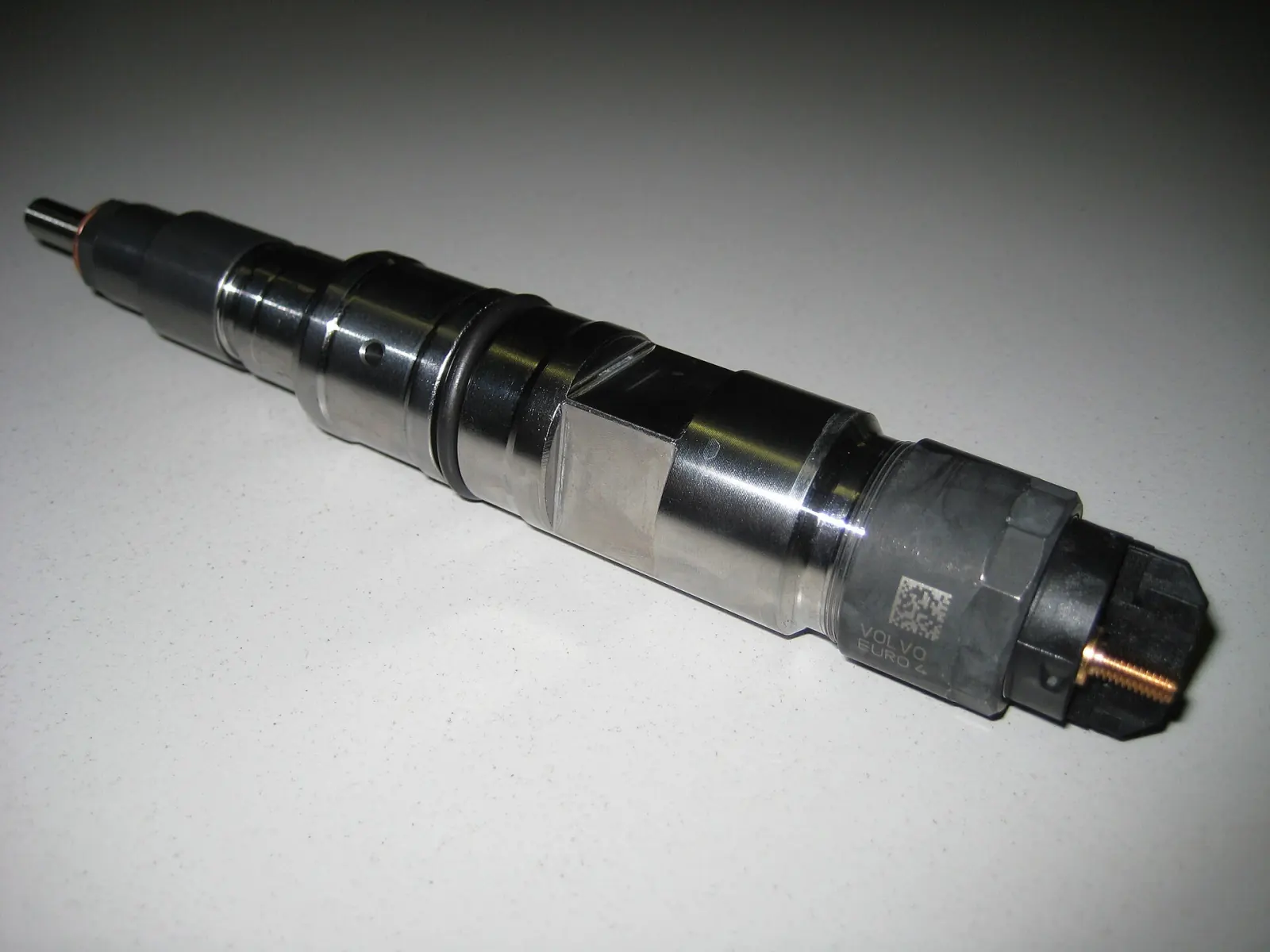
Opening pressure, spray pattern and nozzle wear - what wears an injector out and what is actually worth keeping aboard.
Every life-saving appliance runs on its own clock. A one-page reference to the SOLAS service intervals port state control actually checks.
What the agent needs, what customs checks and how not to miss the port stay.
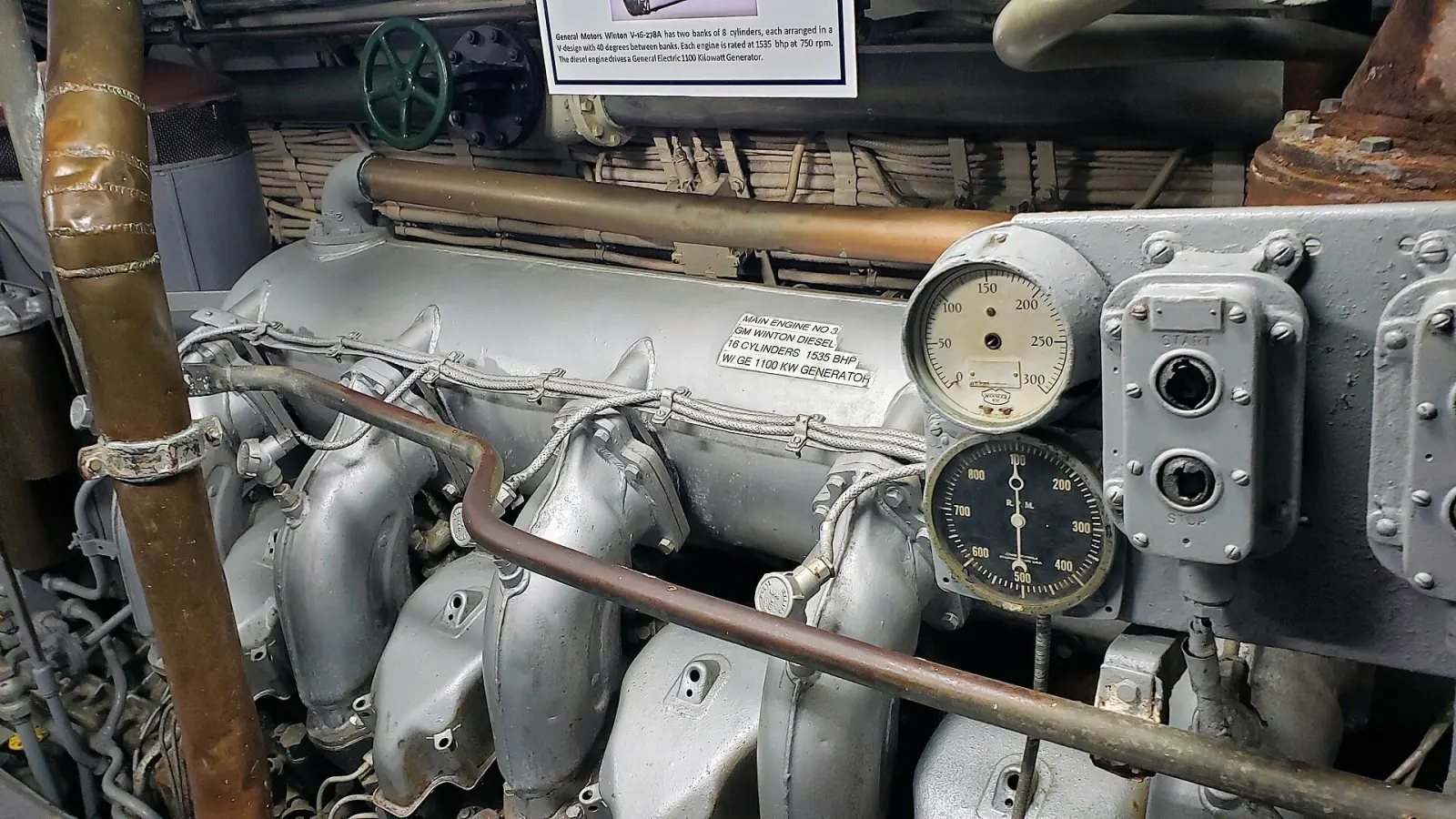
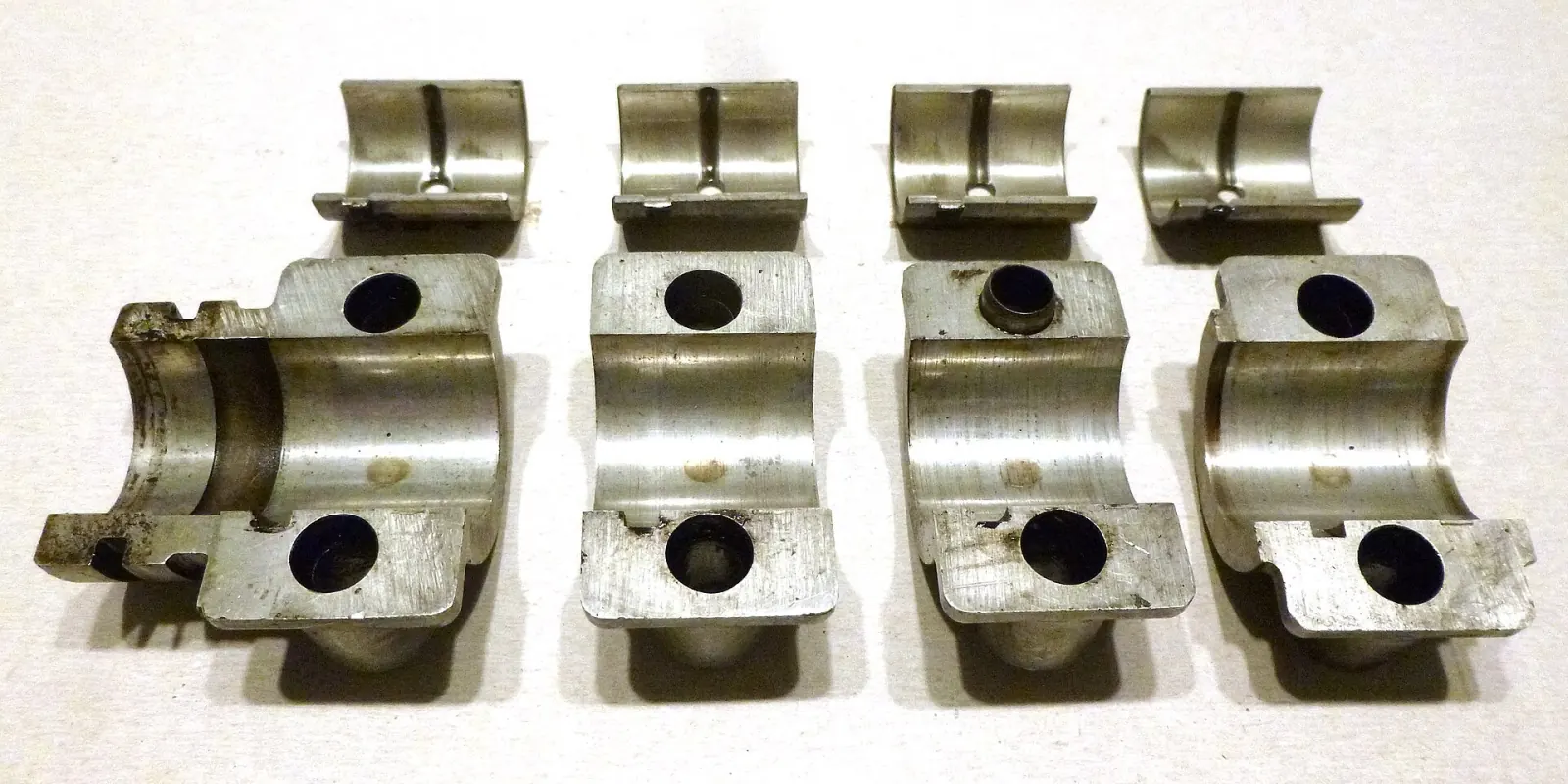
Bearing clearance, crankshaft deflection and a wiped shell - how to measure bearing condition and not leave the call too late.
Price, lead time and class requirements compared - when the original pays off and when it does not.
Shut-off or regulation, material for the medium and the class requirement - how to pick the valve type and not order the wrong one.
A dripping gland against a near-dry seal - when each type wins and what it demands in return.
IMPA and ISSA codes, what to put in an enquiry and how to cut sourcing from days to hours.
Wear rings, impeller, sleeve and bearings - which parts decide efficiency and what to hold as a kit.
Broken wires, diameter loss, corrosion and deformation - when a crane or winch rope comes out of service.
The wear limit, measuring across links and renewing by shots - how to assess a chain before the class survey.
The seal, compression bar, drainage and cleats - what leaks and what to stock so the cargo arrives dry.
Zones, protection types, gas group and temperature class - how to pick an Ex part and why a standard equivalent will not do.
A withdrawn module, no successor and the retrofit-or-patch call - how to keep a control system running without a scramble.
What is truly required, what is merely expected, and how to arrange stock by criticality rather than habit.
Hydrogen sulphide, sulphide cracking and material hardness - how to pick a part for sour service and what proves it.
Warning signs, the buying channel and verification - how to keep a fake off the ship and avoid a failure.