Centrifugal pump spares: what wears and why the output drops
A centrifugal pump rarely dies overnight - it usually just delivers less and less, until someone notices ballast is coming down at half the rate. Behind that fade sit a few specific parts with a growing clearance. Know which they are and how they wear, and you renew them ahead of time as one kit rather than piece by piece in a breakdown. Here is the map.
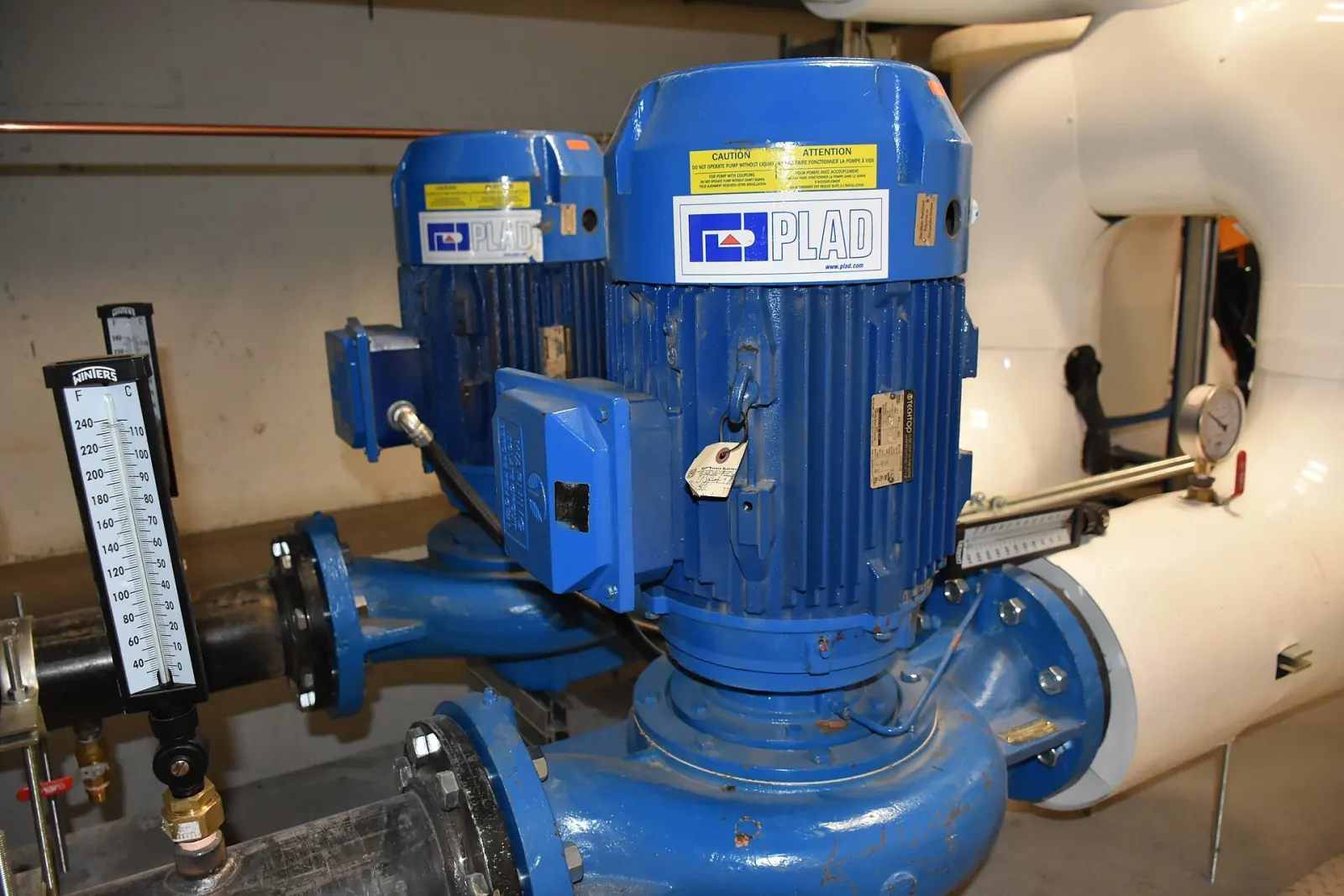
Wear-ring clearance is the whole output
The efficiency of a centrifugal pump hangs on the gap between the impeller and the casing, held by renewable wear rings. They open up as they wear, and with the clearance grows internal recirculation - liquid turns back instead of going on, and pressure and flow fall. The rings are a deliberate sacrificial part: cheap, renewable, protecting the expensive impeller and casing. Restoring the build clearance is usually the cheapest way to get the pump curve back.
The impeller and cavitation
The impeller wears from erosion and cavitation - those characteristic pits and eaten vane edges appear when the pump runs with too little suction head or away from its duty point. A damaged impeller not only loses efficiency but throws the shaft out of balance, finishing off the bearings and seal. Cavitation is usually a symptom of something else: a blocked suction strainer, liquid too hot, or a badly sized pump - worth curing the cause before a new impeller goes the same way.
What goes into a sensible kit
- The shaft seal: a set of packing, or a mechanical seal or cartridge, depending on the pump type.
- Casing and impeller wear rings - a pair matched to size.
- The shaft protecting sleeve - it wears under the gland and shields the shaft itself.
- Bearings, O-rings, cover gaskets and the flexible coupling element - the small parts that idle a pump when they are missing.
Diagnose from the curve, not by ear
Falling output, vibration, noise and hot bearings have different causes but a shared symptom. Compare the current pressure and flow with the pump curve at the duty point - if both have dropped, suspect ring clearance and the impeller; if vibration and temperature are rising, look at the bearings and seal. Two readings from the gauge and flow meter say more than opening the pump blind.
How this works with us
Give us the pump maker, type and number or the nameplate data, and we match the rings, impeller, sleeve, seal and bearings to the exact variant and assemble them into one overhaul kit, with certificates. We will advise which items to keep aboard for critical pumps. All from the pumps, valves and hydraulics catalogue.
Got a parts list to price?
Send it over - a binding offer within 24 hours. No obligations, the quote is free.
Send enquiry