Anchor chain wear: gauging, diameter loss and renewal by shots
Anchor chain looks indestructible, but it wears at the links like everything else - it abrades at the hawse and windlass gypsy, corrodes in the chain locker and stretches under load. Class measures it at survey and takes out the shots that have gone below the limit. Know the rule and you can assess the chain before the surveyor sets a condition. Here is how.
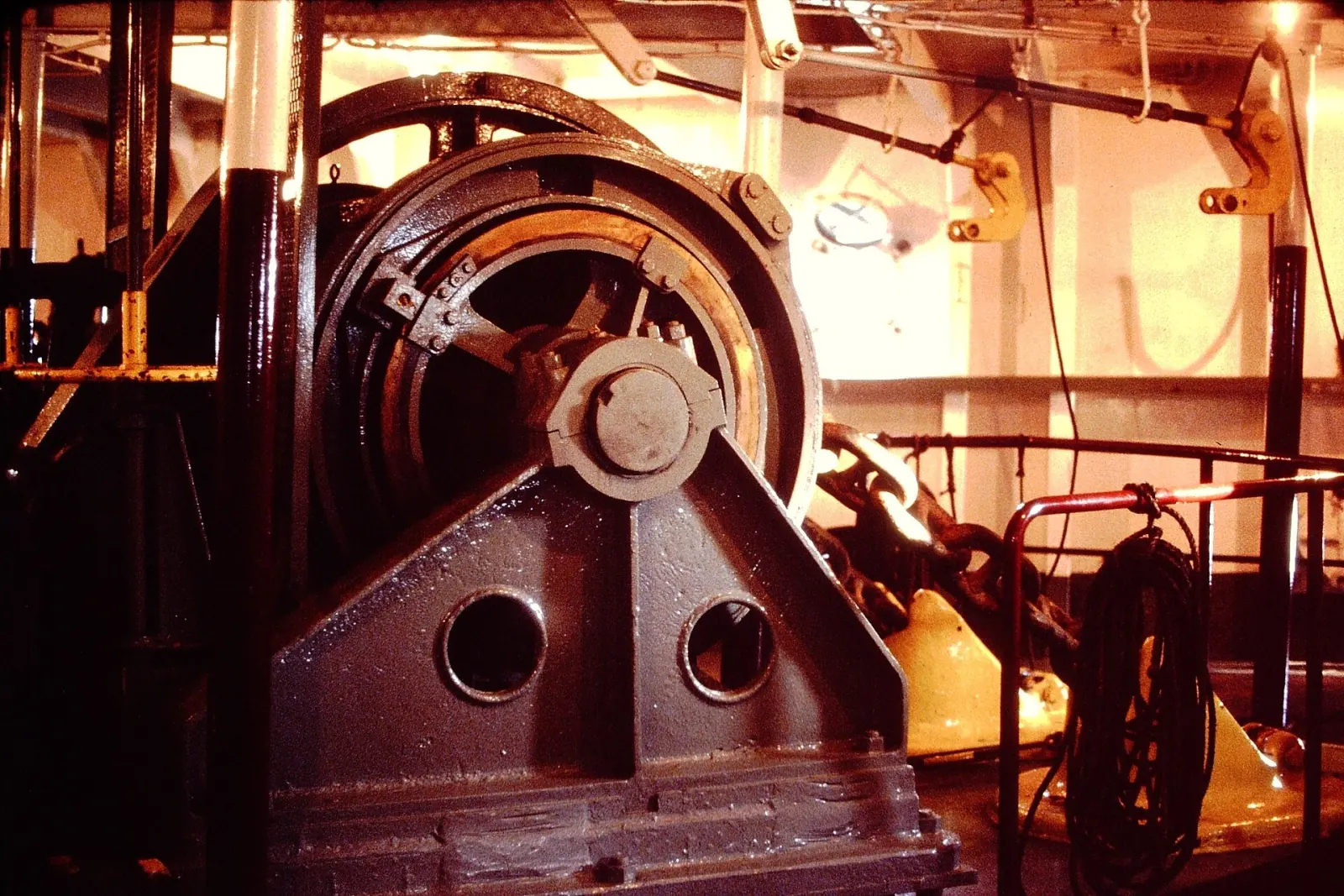
Loss of mean diameter is the deciding figure
Chain wear is assessed by the loss of a link mean diameter at the point of heaviest abrasion, usually the interlink contact area. The commonly accepted renewal limit is a loss in the region of 12 percent of the nominal diameter - beyond that the shot comes out of service. You measure with a calliper in two directions at right angles and average, because a link wears unevenly. A single badly worn link or a crack is judged separately and can condemn a shot regardless of the average.
Measure across several links, not one
A proper measurement is taken on representative links of each shot, and link length is checked by measuring the stretch over five links at once and comparing with the as-built figure - a stretched chain lengthens before you can see it by eye. The chain is ranged on deck for the class survey, link by link, because wear and corrosion are not uniform: the worst is usually on the most frequently veered shots and near the outboard end.
Renewal by shots and the fittings
- Chain is renewed in whole shots of standard length, not single links - a shot is joined with a connecting (kenter) link or joining shackle.
- Grade and calibre have to match: a chain of a lower strength grade or a different calibre will not work with the windlass gypsy and fittings.
- The end link, anchor shackle, swivel and buoy shackle are separate items with their own wear and their own certificates.
Corrosion, marking and the windlass
Seawater and liquid standing in the chain locker eat the links from inside the stow; regular washing and a sound locker sump extend the life. Refresh the shot marking (paint and link wires), because without it you do not know how much chain is overboard. A worn windlass gypsy and slack brakes finish off the chain with uneven guiding - an assessment of the chain without a look at the windlass is incomplete.
How this works with us
Give us the calibre, chain grade and shot length, or the condition from survey, and we match chain, connecting links, swivels and anchor fittings to the grade and calibre, with certificates for the survey. The parts that wear first we keep easy to reorder against your deck list. All from the deck equipment catalogue.
Got a parts list to price?
Send it over - a binding offer within 24 hours. No obligations, the quote is free.
Send enquiry